
Alert drivers to crossing activity ahead so they can slow or stop. Covers pedestrian, bicycle, school, railroad, truck, and animal crossing signs.


-
Handicap Crossing Sign W11-9
.080" aluminum -
Deer Crossing Sign W11-3
.080" aluminum -
Sheep Crossing Sign W11-17
.080" aluminum -
Donkey Crossing Sign W11-19
.080" aluminum -
Bear Crossing Sign W11-16
.080" aluminum -
Trail X-ing Plaque W11-15P
.080" aluminum -
Elk Crossing Sign W11-20
.080" aluminum -
Cattle Crossing Sign W11-4
.080" aluminum -
Moose Crossing Sign W11-21
.080" aluminum -
Wild Horse Crossing Sign W11-22
.080" aluminum

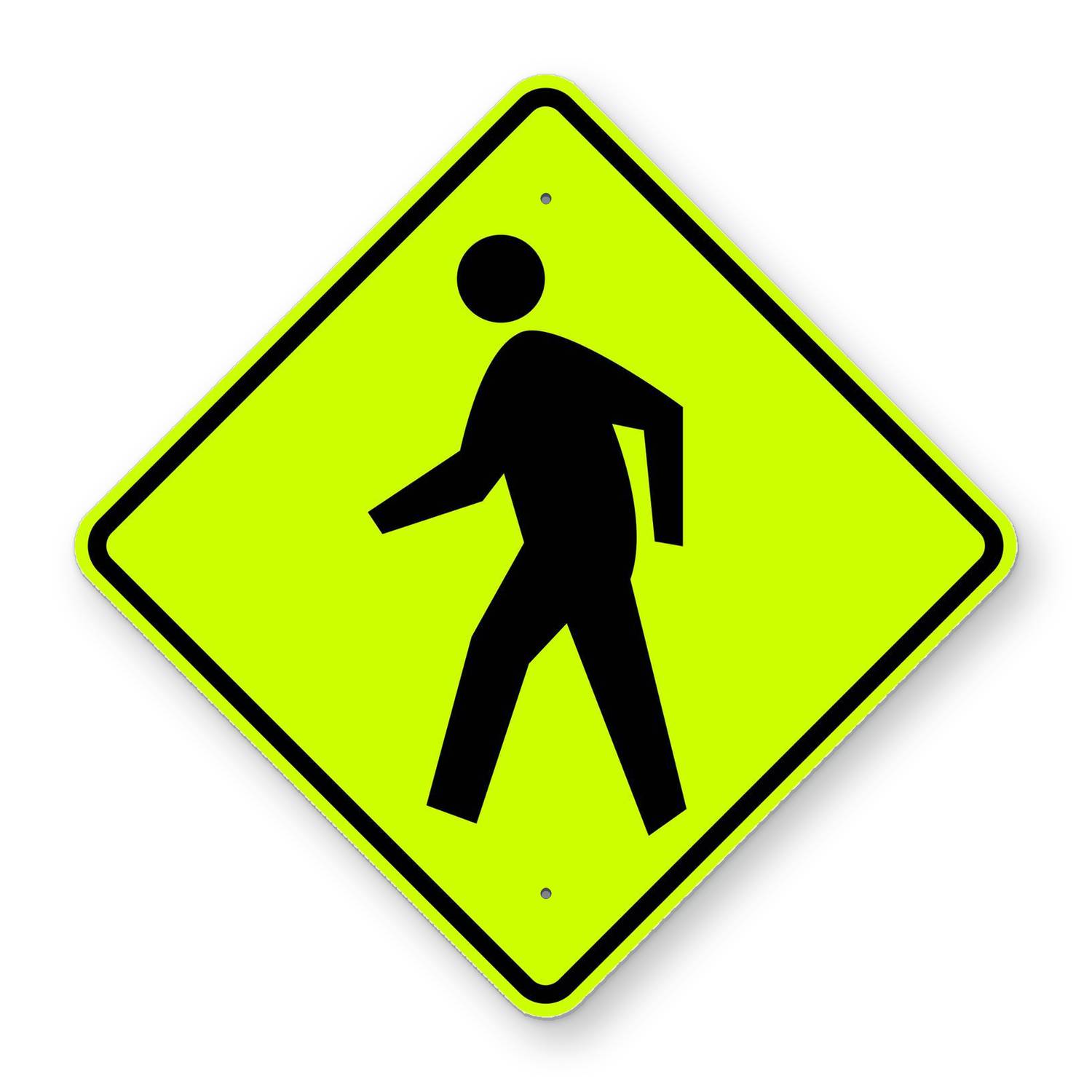





Crossing Signs Buying Guide
Crossing signs alert drivers to locations where pedestrians, bicycles, animals, trucks, trails, railroads, or other traffic may cross or enter the roadway. This category includes warning signs placed in advance of a crossing, signs that identify the crossing itself, and regulatory signs that tell drivers when to yield or stop.
For public roads, the correct sign depends on what is crossing, where the sign will be installed, the roadway type, and the applicable MUTCD or state requirements. Different crossing signs can have different required shapes, colors, sizes, and placement.
What Type of Crossing Sign Do You Need?
Start by identifying the type of crossing or activity you need to mark:
- Pedestrian and bicycle crossings: Used where people, bicycles, or shared-use trail traffic may cross the roadway. Examples include W11-2 Pedestrian, W11-1 Bicycle, and W11-15 Bicycle and Pedestrian signs.
- Animal crossings: Warn drivers where deer, cattle, bears, sheep, elk, horses, or other animals may enter or cross the roadway.
- Truck and vehicle crossings: Used where trucks or other vehicles may unexpectedly enter the road, such as near industrial sites, driveways, or work areas.
- Railroad crossings: Includes advance warning signs such as W10-1 and railroad crossing signs used at or near grade crossings.
- School crossings: School crossing signs use their own MUTCD sign designs and fluorescent yellow-green color requirements.
- Yield, stop, and crossing-control signs: Regulatory signs such as R1-5 and R1-6 series signs tell drivers where to yield or stop for pedestrians or trail users.
Crossing Signs vs. Pedestrian Signs
Crossing signs cover a much wider range of roadway conflicts. They can warn about pedestrians, bicycles, animals, trucks, trails, railroads, and other activity entering or crossing the road.
If your project is specifically for crosswalks, pedestrian traffic, sidewalks, or pedestrian right-of-way control, see our pedestrian signs. That category focuses on signs such as pedestrian crossing warnings, Yield Here to Pedestrians, Stop Here for Pedestrians, in-street pedestrian signs, pedestrian restriction signs, and related arrow or advance plaques.
Advance Warning Sign or Crossing Location Sign?
Some crossing signs warn drivers before they reach the crossing, while others identify the actual crossing location. This distinction is especially important for pedestrian, bicycle, trail, snowmobile, and equestrian applications.
An advance warning installation may use an AHEAD or distance plaque to tell drivers that a crossing is coming up. When certain warning signs are installed at the actual crossing, a diagonal downward-pointing arrow plaque may be required to identify the crossing location. Always match the sign and supplemental plaque to the specific MUTCD application.
Choose the Right Crossing Sign Size
There is no single standard size for every crossing sign. The required size depends on the sign code and the type of roadway.
- 30" x 30": A common conventional-road size for many W11-series crossing warning signs.
- 36" x 36": Common for multi-lane conventional roads and locations where greater visibility is needed.
- 48" x 48": An oversized option for many warning signs where additional emphasis or viewing distance is appropriate.
- 24" x 24": Available as a minimum size for certain animal, vehicle, and other warning signs, but it is not an approved minimum for every crossing sign.
Regulatory, railroad, school, crossbuck, and supplemental plaque sizes follow their own sign-specific requirements. For public roadway projects, select the size specified for the exact MUTCD code rather than choosing size based only on available mounting space.
Crossing Sign Colors and Shapes
Most crossing warning signs use a diamond shape with a black legend or symbol on a yellow background. However, the broader crossing-sign category also includes regulatory, railroad, school, and supplemental signs that use different shapes and colors.
Fluorescent yellow-green may be used for certain pedestrian and accessibility warning signs and is widely used where enhanced visibility is needed. School warning signs have specific fluorescent yellow-green requirements. Standard yellow remains appropriate for many animal, truck, railroad-advance, and other crossing warning signs.
Reflective Sheeting Options
Crossing signs should remain visible to approaching drivers during both daytime and nighttime conditions. Available reflective sheeting varies by sign.
- High Intensity Prismatic (HIP): A strong standard option for many conventional roadway applications.
- Diamond Grade DG3: Higher-performance reflective sheeting for locations where greater nighttime visibility is desired.
- Fluorescent reflective sheeting: Available for applicable yellow and fluorescent yellow-green signs to improve daytime, dawn, dusk, and low-light conspicuity.
Aluminum Crossing Signs
Our crossing signs are manufactured from durable .080" aluminum for long-term outdoor use. Sign-specific options may include multiple sizes, reflective sheeting choices, colors, and MUTCD designs.
Need help matching a crossing sign to a MUTCD code, roadway application, size, or reflective sheeting? Please contact us for help or for a custom quote.